Passivation Process Benches/Tank Systems

Passivation Process Benches/Tank Systems


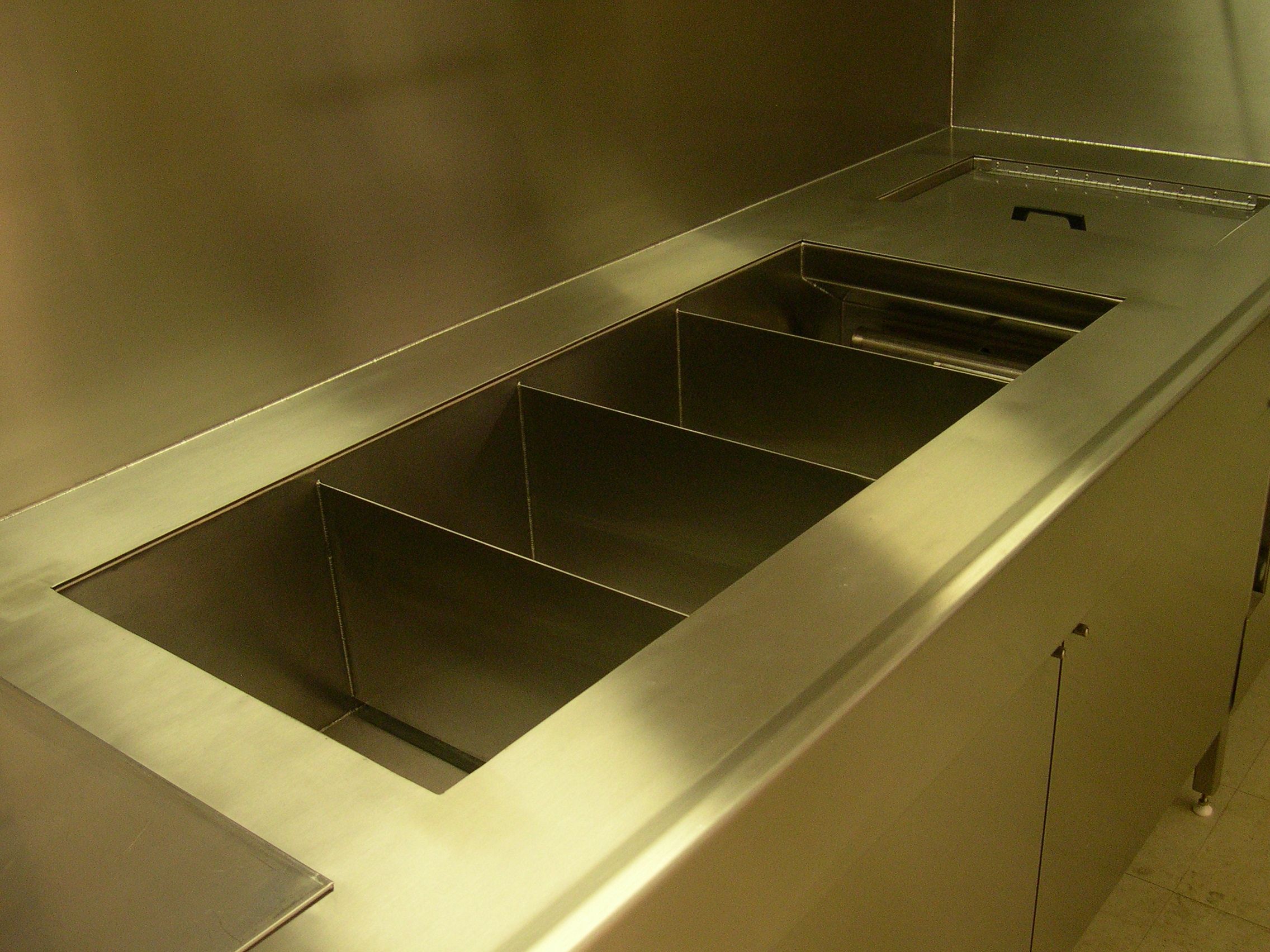
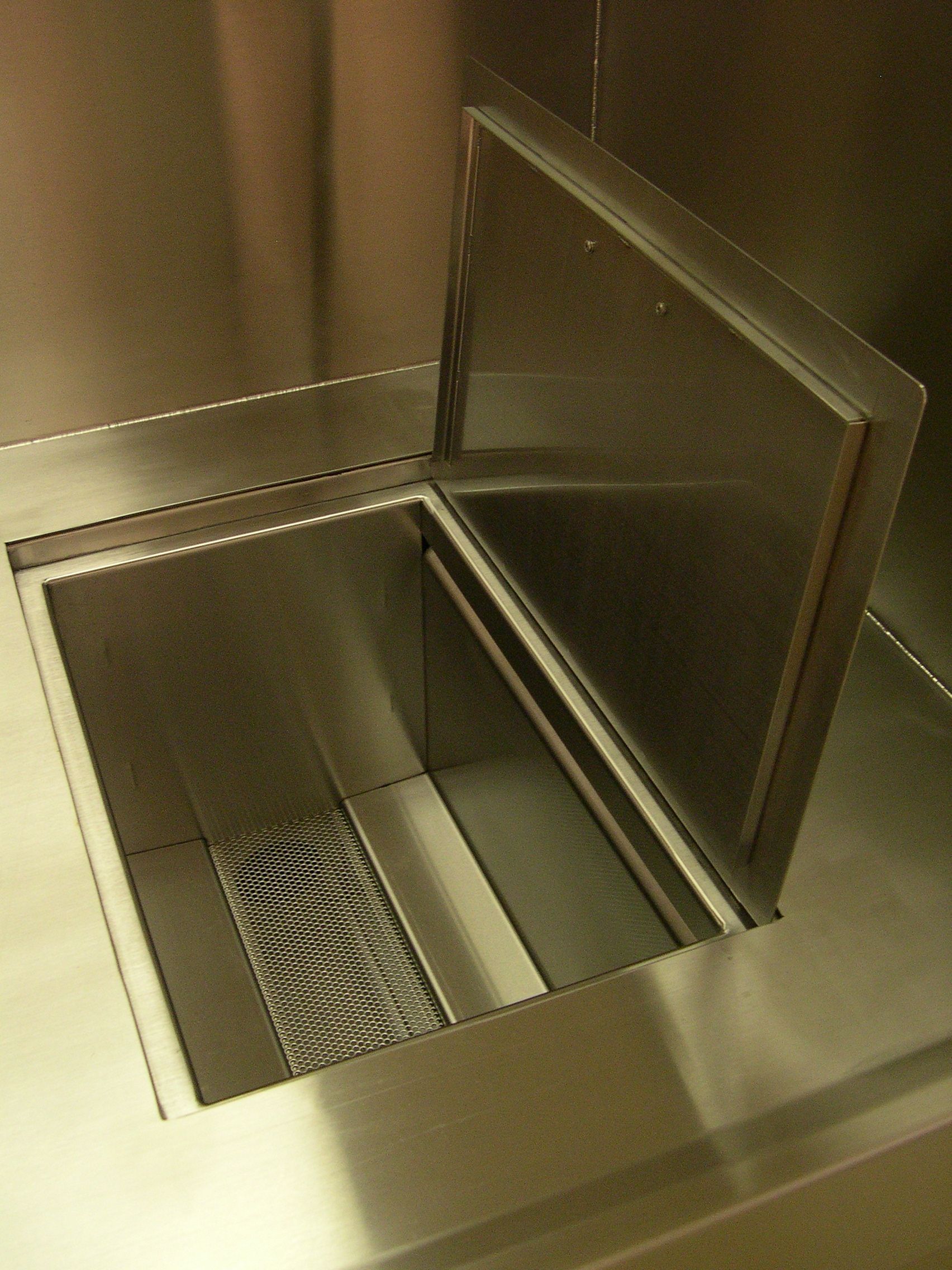
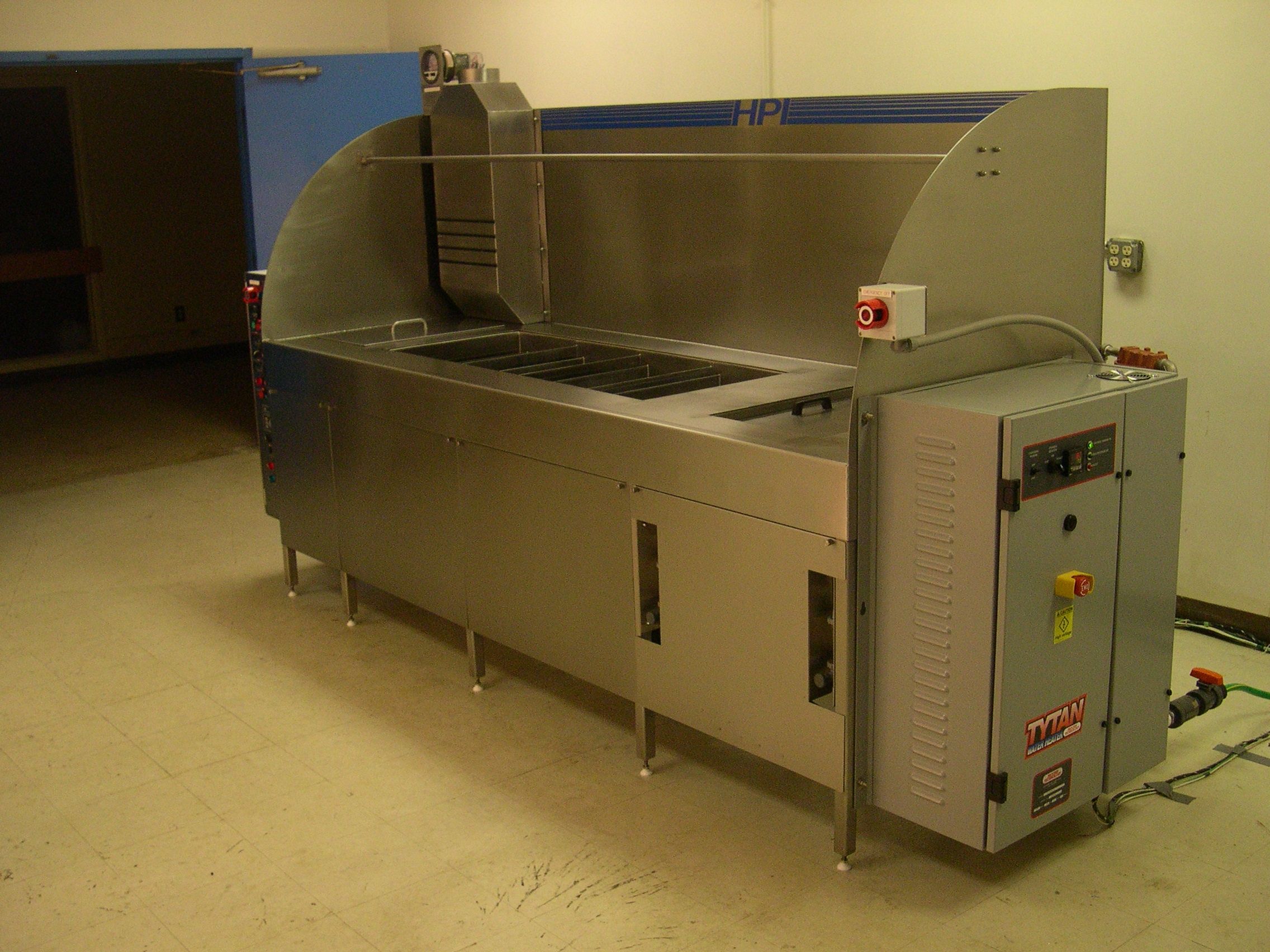
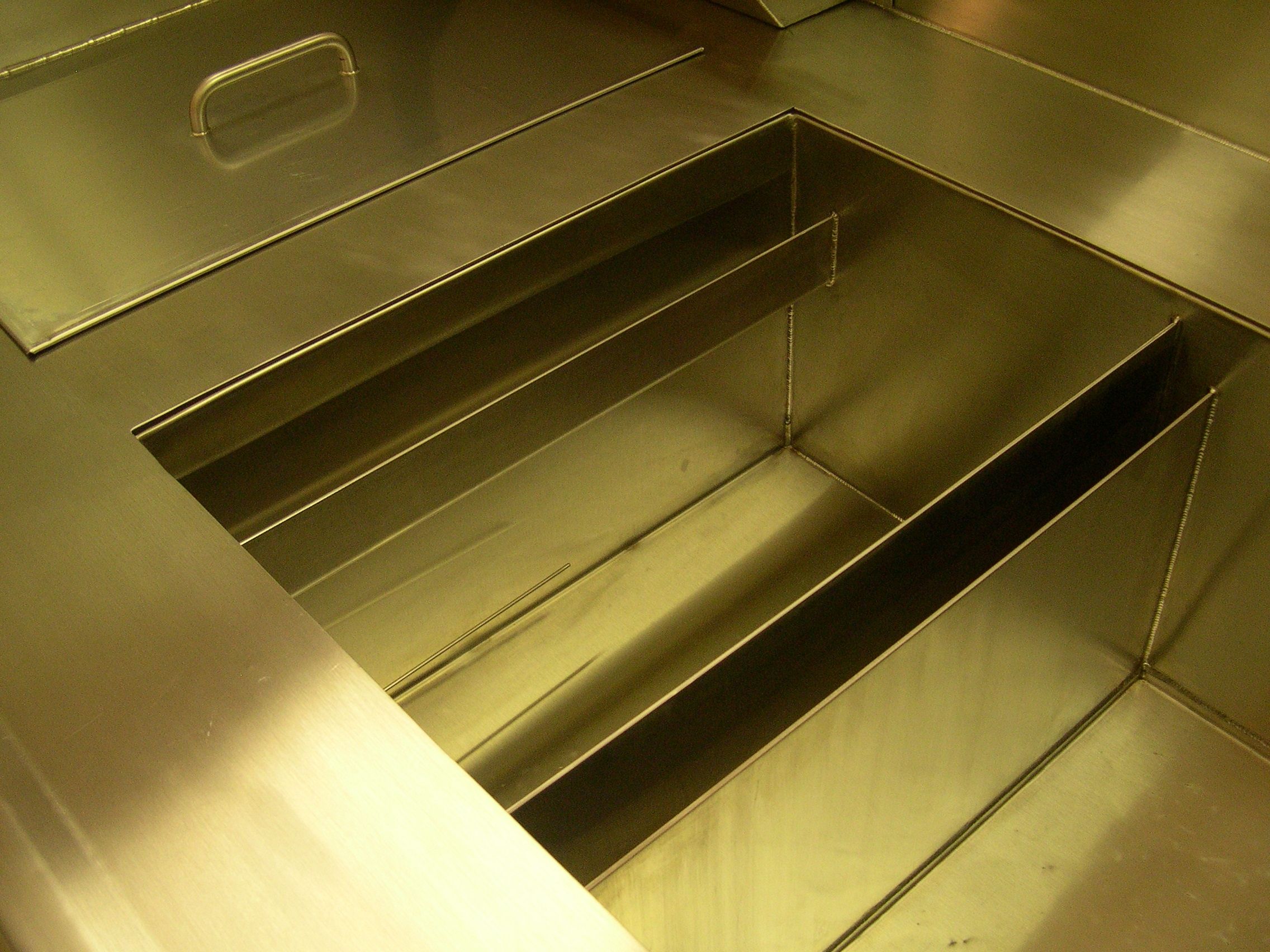
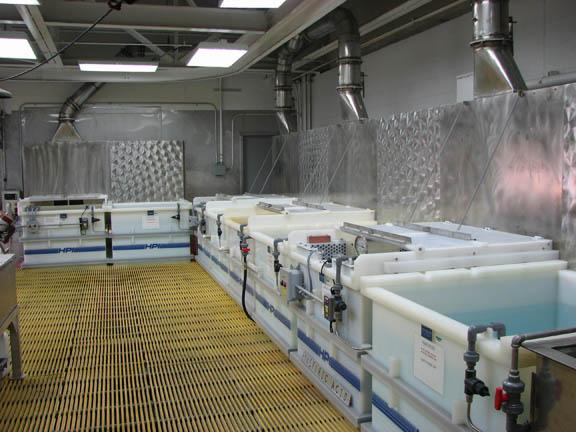
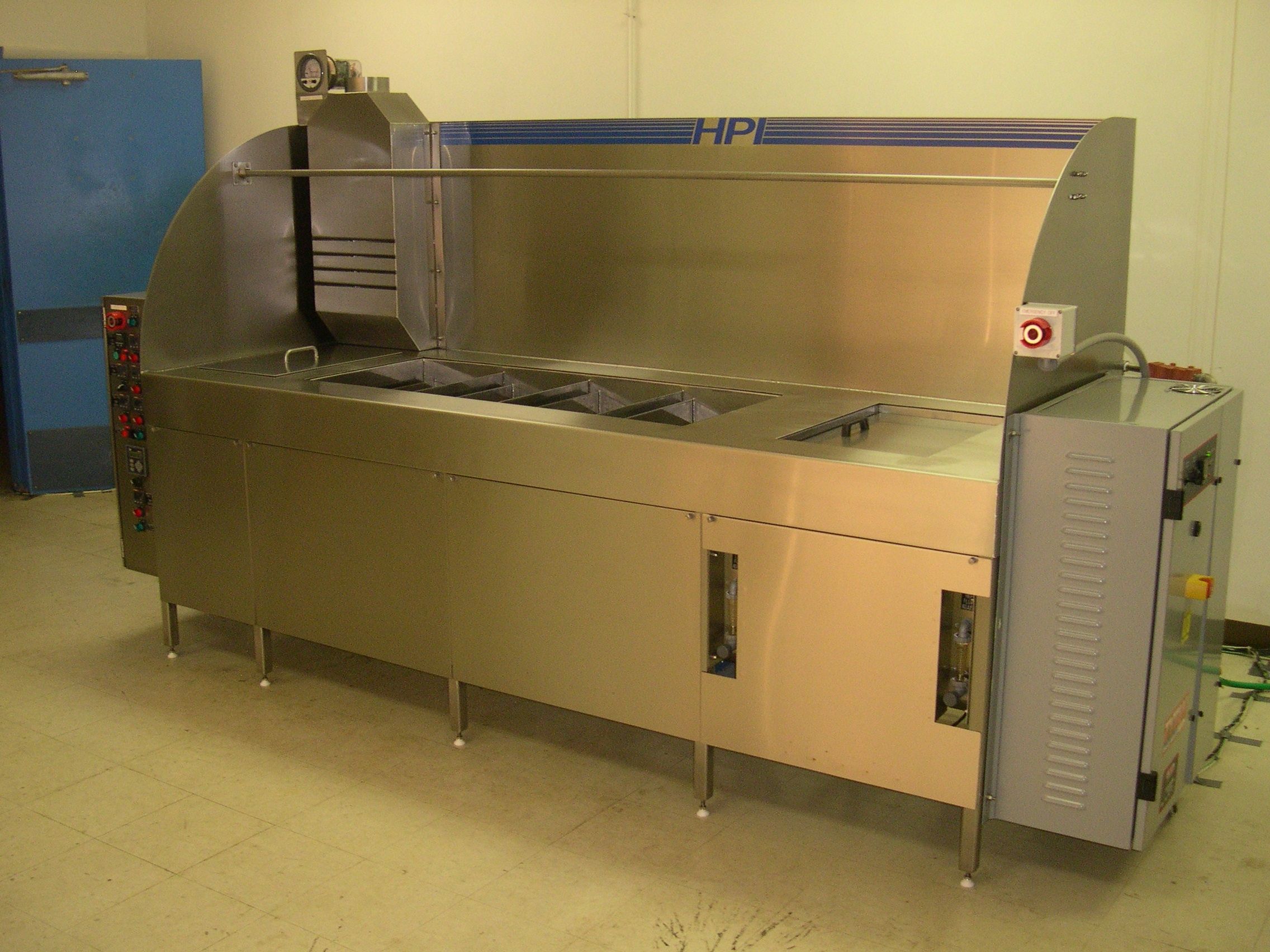
Passivation process tank systems that are provided by HPI Processes, Inc. are manufactured using advanced technology. Passivation is a chemical treatment used to remove free iron and other exogenous contaminants from stainless steel surfaces and promote a stable passive condition. Stainless steel naturally develops a passive oxide film when a clean surface is exposed to an oxygen-containing environment. This process makes it the preferred method of corrosion control for many industries. Ideal for medical device and aerospace industries, our processes and equipment are manufactured to the highest industry standards. Any business that requires clean, corrosion-resistant parts and components can reap the benefits of having a high-quality Passivation Process Line.

Complete process benches or manual/semi-automated and automated passivation process tank systems are available for your passivation applications.

What is Passivation Process and Why is it Necessary?

The passivation process helps restore the corrosion-resistant surface condition of stainless steel after manufacturing operations such as machining, grinding, welding, fabrication, or polishing.

Stainless steel naturally forms a passive oxide film when a clean surface is exposed to an oxygen-containing environment. Chemical passivation removes free iron and other exogenous contaminants and promotes a stable passive surface condition.

ASTM A380/A380M provides practices for cleaning, descaling, pickling, and passivation of stainless-steel parts, equipment, and systems. HPI provides passivation systems that can be configured for nitric acid and citric acid passivation processes, as well as separate electro-polishing systems for electrochemical surface finishing.

The appropriate passivation process depends on the stainless-steel grade, surface condition, manufacturing history, service environment, customer requirements, and applicable industry specification.

Passivation and re-passivation may be specified for stainless steel parts and equipment following fabrication, repair, or other operations that introduce surface contamination. The need for passivation should be determined according to the application and applicable requirements rather than a fixed schedule.
What is the Right Time for Passivation?


While this depends on the application requirement, here are some factors that may help decide when passivation is appropriate.

  • You may want to consider passivation of the entire component or equipment surface, or certain areas which experience welding, grinding, machining, polishing, or repair.
  • Surface contamination introduced during fabrication or handling may require appropriate cleaning and subsequent passivation.
  • Consider the service environment and the potential for corrosion or contamination of the stainless-steel surface.
  • Customer specifications and applicable industry standards may define when passivation is required and how the process should be verified.
  • For production applications, passivation frequency should be established according to the material, manufacturing process, service conditions, and maintenance requirements.

Types of Passivation Equipment We Offer

HPI provides passivation equipment in a variety of configurations based on part size, production volume, process chemistry, material handling, and facility requirements.

Our equipment can incorporate filtration and solution circulation, heating, ultrasonic cleaning, conductivity monitoring, rinse systems, and forced-air drying where required by the application.

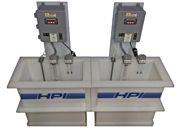
  • Bench-top Ultrasonic: We offer these ultrasonic passivation systems with tanks in various sizes. A typical configuration can include a parts washer or cleaner, passivation tank, filtration and circulation, rinse tank, and parts dryer. Ultrasonic cleaning can be incorporated as a cleaning stage to assist in removing oils, machining residues, particles, and other contaminants from complex component geometries.
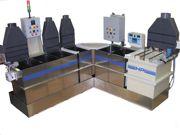
  • Wet Bench: We offer wet bench passivation systems which are reasonably big units or even like cabinets. They are multipurpose benches, wherein multiple functions can be performed, such as passivation, washing, drying, rinsing, and so on.
  • Ultrasonic Automated: We offer automated passivation systems to industries which require repeatable processing and reduced operator intervention. Depending on the system configuration, automation can include process sequencing, controlled immersion times, rinse management, filtration, conductivity monitoring, drying, material handling, and safety controls.
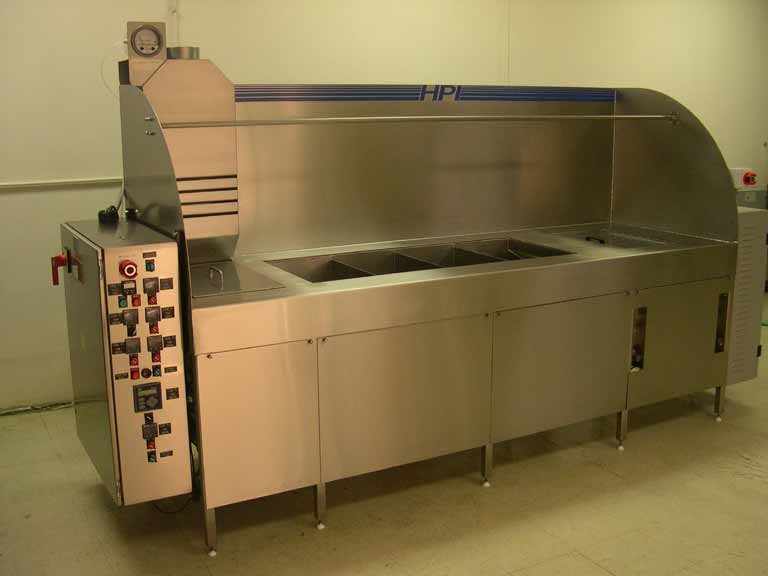
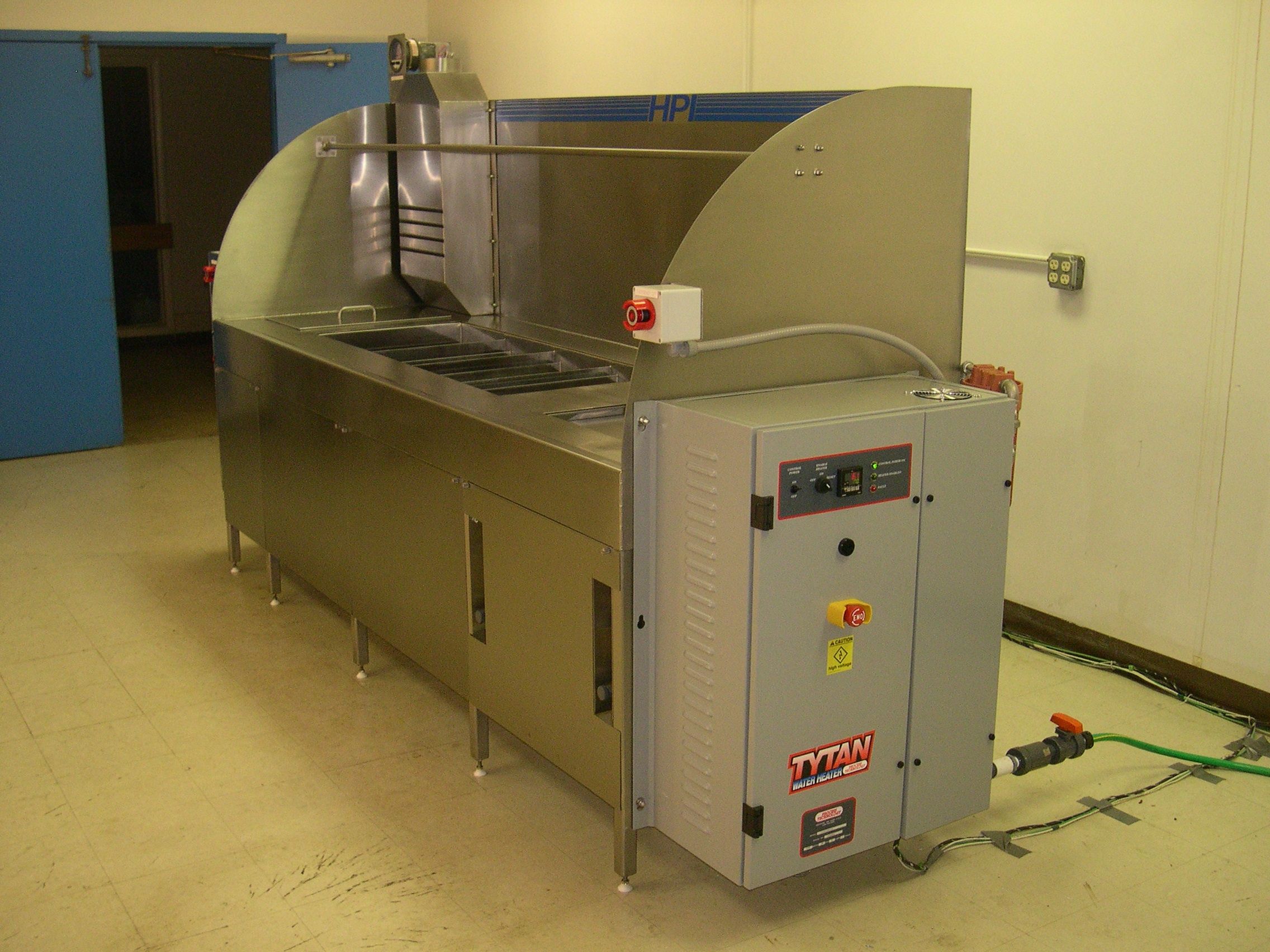
  • Agitated Immersion Multi-Tank: Our multi-tank immersion passivation equipment can combine cleaning, rinsing, chemical passivation, and drying into a controlled process sequence. Depending on the application, systems can incorporate alkaline or aqueous cleaning, oil and contaminant removal, chemical passivation, multiple rinse stages, filtration, circulation, agitation, and forced-air drying.

These systems are suitable for complex components and assemblies requiring controlled cleaning and chemical surface treatment.

Stainless Steel Passivation Lines

HPI provides stainless steel passivation lines ranging from compact bench-top systems to customized production installations.

A complete line can integrate cleaning, chemical passivation, rinsing, filtration, solution circulation, drying, material handling, and process controls into a coordinated production system.

Key Advantages:

  • Consistent and repeatable processing
  • Reduced labor costs
  • Integrated filtration and circulation
  • Conductivity monitoring options
  • Forced-air drying
  • Process documentation and traceability options
  • Modular system configurations
  • Customized tank sizes and layouts

HPI can design passivation process tank systems around your production volume, component geometry, chemistry, process sequence, and facility requirements.

Passivation Equipment for Manufacturing

HPI provides passivation equipment for manufacturing applications where controlled surface treatment, cleanliness, corrosion resistance, and repeatable processing are important.

Our systems can be configured for:

  • Aerospace components
  • Medical device components
  • Precision-machined stainless-steel parts
  • Pharmaceutical and bioprocess equipment
  • Industrial components
  • Stainless steel assemblies
  • Fabricated components

For aerospace applications, systems can be designed around customer-specified processes and applicable requirements.

Equipment can also be designed to support applicable ASTM A380/A380M processes. Actual process compliance depends on the specified material, chemistry, operating parameters, testing, acceptance criteria, and customer requirements.

Applications of Passivation Equipment

Here are some application areas of our passivation equipment.

  • Cleaning, rinsing, and passivation are commonly integrated into a complete stainless-steel surface-treatment process. These operations can be combined using the appropriate passivation line and automated systems.
  • These machines on their own or when equipped with other systems such as pump filter systems, heaters, and so on offer additional features such as a hot cleaning solution, hot air drying, water-based rinsing of stainless-steel equipment surfaces, and more.
  • While passivation is different from electropolishing, we do offer equipment for the latter. Electropolishing is an electrochemical metal-removal process that can improve surface smoothness and cleanliness and may also result in a passivated stainless-steel surface. The appropriate process depends on the required surface finish, material, dimensional requirements, cleanliness requirements, and applicable specification.

Benefits of Partnering with Us

Our experience and expertise in custom tanks and metal finishing systems allow us to offer you the best suitable customized passivation equipment. Aside from this, there are many benefits of partnering with us. Here are some of them.

  • When we customize, we consider your application requirements at length, and also your budget.
  • Our passivation equipment can be designed with tanks of different sizes and configurations according to the application.
  • We deliver application specific passivation equipment such as for aerospace, manufacturing units, medical, and so on.
  • We offer customized equipment solutions based on process requirements and production needs.
  • Our well-equipped facility allows us to make advanced passivation systems with multiple features and functionalities.
  • We are focused on quality and have tough testing and quality control measures in place. Each equipment is tested in terms of structure, safety, design, and functionality before it is shipped out.

Custom Passivation Process Tank Systems

HPI can develop passivation process tank systems based on your specific application requirements, including:

  • Part dimensions and geometry
  • Production volume
  • Stainless steel grade
  • Process chemistry
  • Tank size and configuration
  • Cleaning and rinsing requirements
  • Drying requirements
  • Automation level
  • Material handling
  • Available facility space

Systems can incorporate pumps, filtration, heaters, controls, conductivity monitoring, ultrasonic cleaning, and drying equipment where appropriate.

HPI Processes, Inc. provides industrial passivation machines and equipment to help manufacturers achieve controlled and repeatable stainless steel surface treatment. Our team of experts can offer you all the required technical assistance regarding the selection of these passivation tanks. In case of any enquiries or requirement sharing, you can contact us via phone or email.
Distributors of